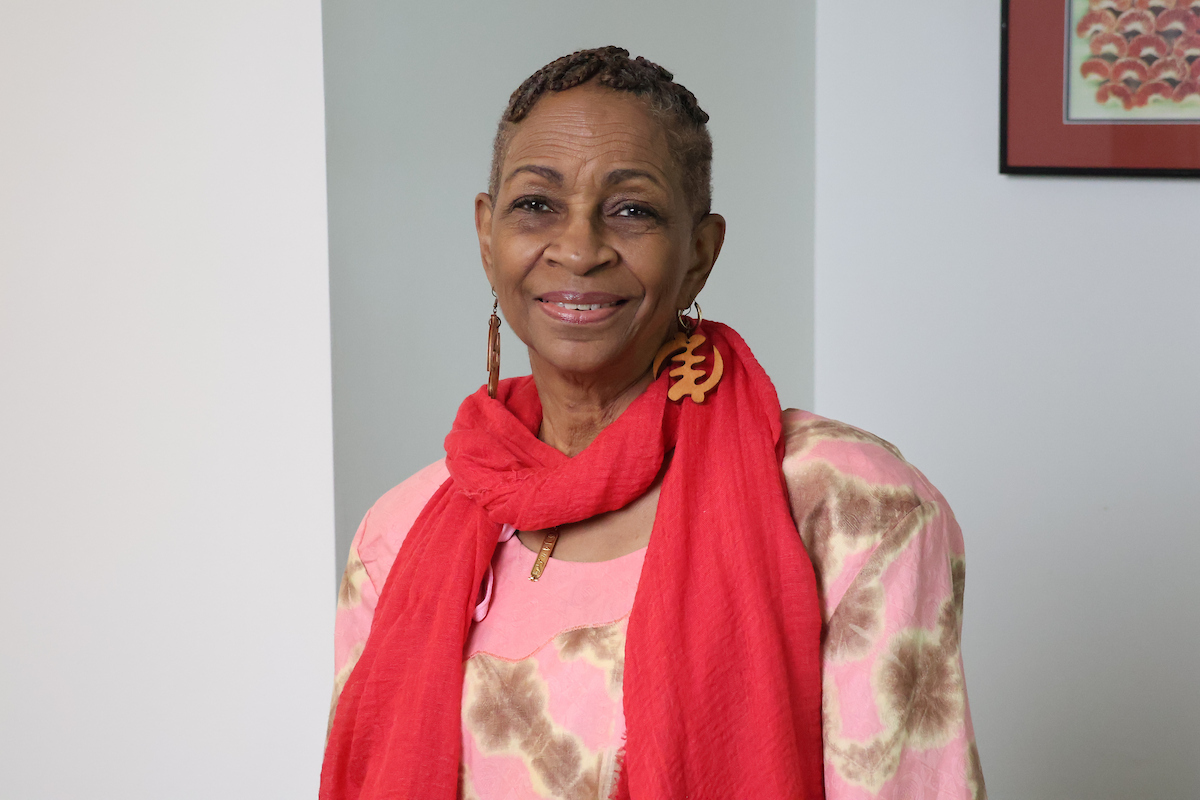
For Kadija Ash, Food & Friends was once a familiar name— something she encountered during her long career at the D.C. Department of Health. She had attended meetings in their space, aware of their mission, but never imagining that one day, she would rely on their services herself.
Before her cancer diagnosis, Kadija lived a full and active life. After retiring in 2016, she stayed engaged through part-time work, caring for her grandson, and participating in multiple a cappella choirs. She also poured her energy into a scholarship fund she created in honor of her late husband. Life was busy, purposeful, and filled with connection.
Everything changed when her cancer returned.
Diagnosed for a second time with triple negative breast cancer, an aggressive and difficult-to-treat form of the disease—Kadija faced a long and physically demanding treatment journey. The toll was immediate. Fatigue set in, her activity level dropped, and one of the most basic parts of daily life, eating, became a challenge. Chemotherapy altered her taste and appetite so drastically that she found herself surviving on little more than chicken noodle soup. Over time, she lost 26 pounds, weight she could not afford to lose.
It was a nurse who finally heard her plea for help and connected her to Food & Friends. At first, Kadija wasn’t sure what to expect. She admits she braced herself for bland, clinical meals or “seasoned cardboard,” as she put it. Instead, what arrived at her door surprised her. The meals were not only nourishing but flavorful, thoughtfully prepared, and easy to manage during a time when even small tasks felt overwhelming. More importantly, they met her exactly where she was.
The medically tailored meals removed the pressure and emotional weight that often comes with food during illness. There was no guilt if she couldn’t finish a plate, no stress about cooking or grocery shopping, and no burden placed solely on her husband as a caregiver. With just a few minutes in the microwave, Kadija could nourish herself on her own terms. That sense of independence mattered.
As the weeks passed, the impact became clear. Kadija began to regain weight. Her strength improved. With more variety in her diet and less stress surrounding meals, she felt like an active participant in her own healing again, not just a patient, but someone taking steps toward recovery.
“Food & Friends put me back in the game,” she reflected.
As her health stabilized, her services evolved alongside her needs. She worked with her dietitian to scale back meal deliveries and eventually transitioned to receiving medically tailored groceries. Today, she receives fresh produce, proteins, and pantry staples that allow her to cook for herself again, something that once felt impossible.
The experience didn’t just restore her physical health; it reshaped her relationship with food. She discovered new ingredients, experimented with spices she’d never used before, and found healthier ways to prepare meals without sacrificing flavor. But perhaps the most profound impact was less tangible.
Food & Friends gave Kadija and her family something harder to measure: relief. Relief from constant decision-making, from caregiver strain, from the quiet stress of wondering how to get through each day. It allowed them to focus on healing, on rest, and on simply being together.
“It helped us exhale,” she said. “It made the path to getting better clearer.”
Today, Kadija speaks passionately about why supporting Food & Friends matters. She has seen firsthand how essential the service is—not just for nutrition, but for dignity, independence, and quality of life. For those considering getting involved, her message is simple: do it.
Whether through volunteering or donating, every contribution plays a role in someone’s recovery. Volunteers bring meals and moments of human connection to people who may feel isolated. Donors make it possible for those meals to exist in the first place.
“It’s more than food,” Kadija said. “You’re helping someone heal. You’re helping them breathe a little easier. You’re helping them get their life back.”
And for Kadija, that has made all the difference.