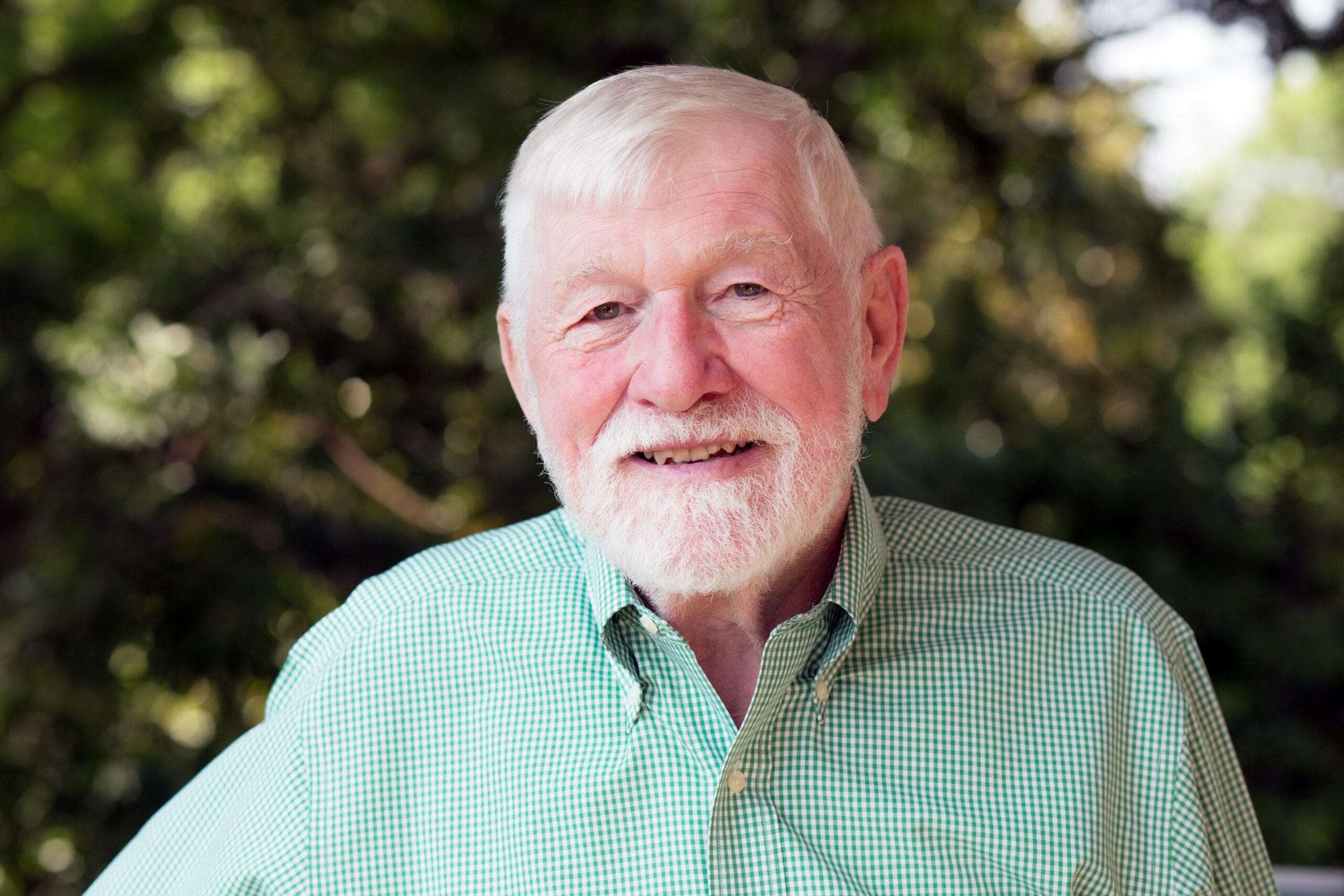
For more than three decades, Patrick Nelson (Pat) has been a steadfast supporter of Food & Friends, standing by the organization as it grew from a small group of volunteers responding to the AIDS crisis into the region’s leading provider of medically tailored meals. Today, his commitment extends beyond annual donations. Through a bequest in his will, Pat is helping ensure that future generations will continue to receive the nourishment, care and dignity that defines Food & Friends’ mission.
Pat’s relationship with Food & Friends began in the 1980s, when the HIV/AIDS epidemic was devastating communities across Washington, D.C.
“I was aware of the formation of the group when it first started in the church,” Pat recalled. “I thought that it was an organization that I personally felt was worth investigating and looking into to see what I could do to support it.”
At a time when many people living with HIV/AIDS were facing stigma and isolation, Pat recognized the importance of the organization’s work and chose to help in the way he knew best.
“I had a good job at that point, and I could give,” he said. “My best way of helping out would be to donate funds to move the organization forward.”
That decision marked the beginning of a relationship that has lasted more than 30 years. According to organizational records, Pat’s giving dates back at least to 1993, though he believes he began supporting Food & Friends even earlier. Over the decades, Pat has consistently stepped forward whenever Food & Friends was investing in its future. When the organization launched its first major building campaign in the early 2000s, he contributed to help make Food & Friends’ current facility at 219 Riggs Road NE a reality. More recently, after learning about the current $30M building expansion project, Pat once again chose to invest in the organization’s growth, making a gift to support the next chapter of Food & Friends’ mission. His willingness to support these capital investments stems from a deep belief in the organization’s ability to evolve and meet emerging community needs.
“The thing that I find the most impactful is that when it started back in the ’80s, it was geared towards just AIDS-related patients,” Pat said. “Over time, the organization has been able to diversify itself and move into different areas that it couldn’t particularly work on before.”
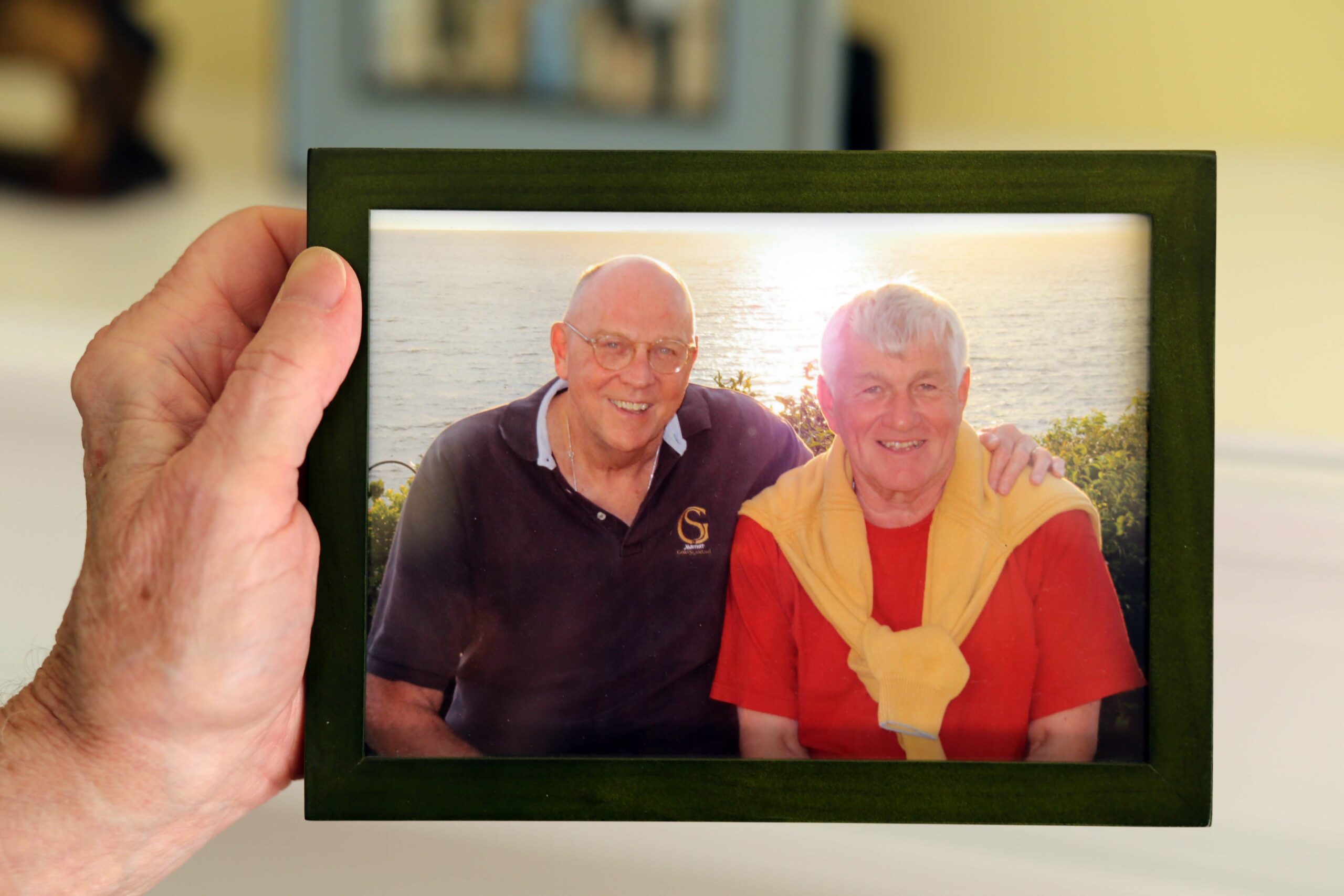
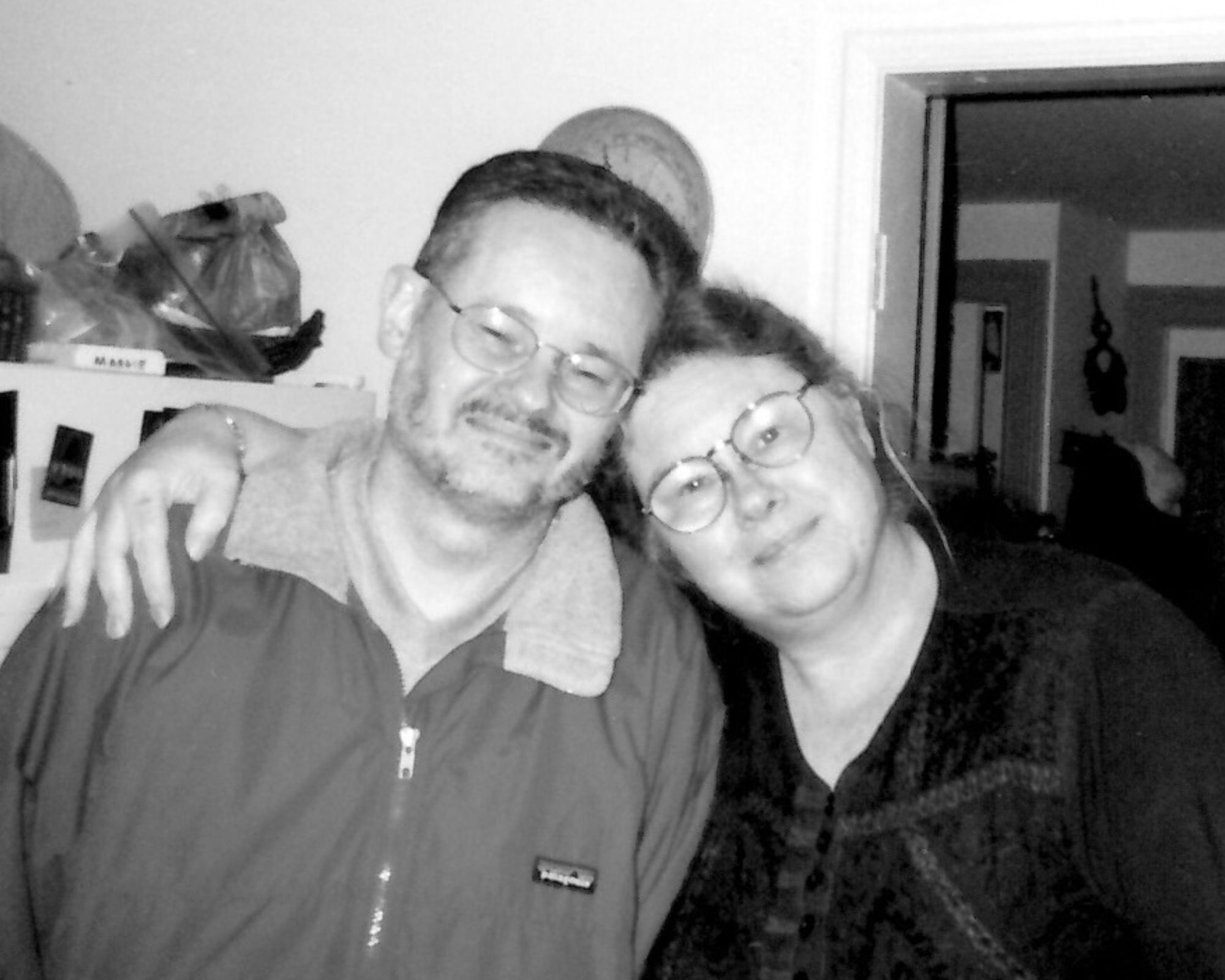
For Pat, that growth represents more than organizational success. It represents lives touched, families supported and a mission that has remained relevant because of its willingness to adapt. The mission became deeply personal when Pat’s sister, Margaret or “Peggy” as he called her, was diagnosed with aggressive ovarian cancer. Knowing firsthand the care Food & Friends provides, Pat encouraged her to reach out.
“Peggy actually benefited from Food & Friends, getting food up until she passed away,” he said.
Watching his sister receive medically tailored meals during her illness reinforced what Pat had long believed: Food & Friends delivers far more than food.
“Having somebody show up, even if they’re just delivering food and take a few minutes to talk to you, that can be really impactful,” he said.
That human connection remains one of the aspects of the organization he values most.
“You’re getting a customized meal cooked for you that is going to help you with the issues that you have at this moment,” Pat said. “That’s what’s really important to me about how this program works.”
Years ago, after the loss of his mother and while navigating family estate matters, Pat began considering a question many people eventually face: What kind of legacy do I want to leave behind? The answer led him to include Food & Friends in his will.
“I decided that part of the will that I was going to write, all my assets would be distributed to organizations that were important to me,” he said. “Food & Friends was one that I put into the will, and it’s still in the will.”
For Pat, planned giving is a natural extension of the values that have guided his philanthropy for decades. While annual gifts help organizations meet today’s needs, planned gifts help ensure they can continue serving tomorrow.
“Any organization that is in it for the long haul has to think more about what’s going to happen two years, four years, or ten years from now,” He explained.
He believes that legacy gifts provide stability and create opportunities for organizations to grow stronger over time.
“Investing that money in a longer-term fund generates money that you can continue to use to support the operation into the future,” he said. “It’s important that people think about not just sending a check today, but whether there are other ways they can make a longer-term impact.”
Pat understands that everyone’s circumstances are different. For some, a planned gift may be a percentage of an estate. For others, it may be a gift through a retirement account, charitable trust or life insurance policy. What matters most, he says, is taking the time to think about the future and what causes reflect your values.
“People have different ways of looking at their legacy,” he said. “Everybody has to look at it through a different window.”
As Food & Friends prepares for the future, legacy donors like Pat are helping ensure that the organization remains resilient and ready to meet the needs of neighbors facing serious illness for decades to come.
Leave Your Legacy
A planned gift is one of the most meaningful ways to support the future of Food & Friends. Like Pat, you can help ensure that individuals and families facing serious illness continue to receive life-sustaining meals, nutrition counseling and human connection for generations to come. To learn more about including Food & Friends in your estate plans, explore the many legacy giving options available and discover how a planned gift can reflect your values and create a lasting impact, please contact Marilyn Turner at (202) 269-6849 or visit:
https://foodandfriends.planmylegacy.org/
Your legacy can help nourish hope for years to come.